Skip to content
Basket

Your basket is empty

Explorer nos produits
Added to basket!
Subtotal
0 products
£0.00

Promo 1

Describe what your customers will receive when subscribing to your newsletter.

By entering your address, you confirm that you have read our privacy policy.

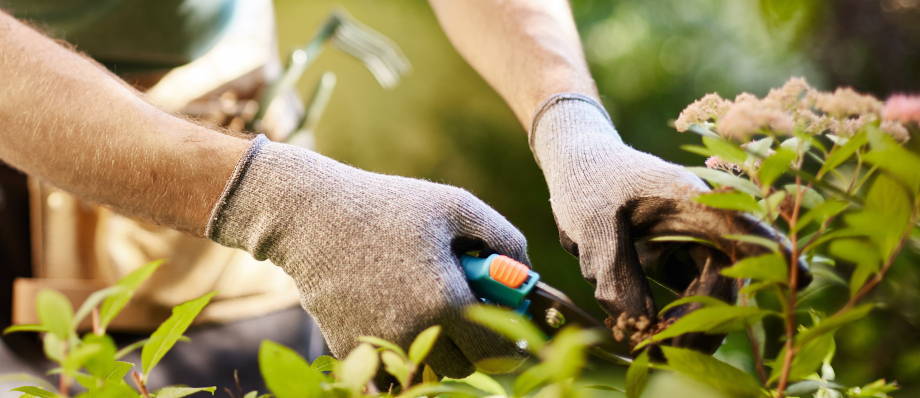
Pruning trees and shrubs

Pruning trees and shrubs

The official definition of a tree is a perennial plant, distinguished from a shrub, due to its elongated stem, branches and leaves raised above the ground.

  • Trees are either evergreen, with leaves lasting all year round, or deciduous with beautiful autumnal coloured leaves, shedding to the ground.
  • The tree’s roots will normally spread widely, providing an anchor and extract moisture from the soil, where possible.
  • Trees can be used to add height, provide proportion, or shade and privacy from your neighbours, as well as helping insects and wildlife.

When buying a new tree it is a confusing time: what size is required? Is it suitable for the garden? Will it grow too big? If you require a single tree, an orchard, or a tree for your container, such as a Japanese Maple, Bakker.com can provide advice and assistance. It is important to remember that whilst nearly all trees are easy to look after nearly all have an extensive root system, so it is not advised to plant near the home.
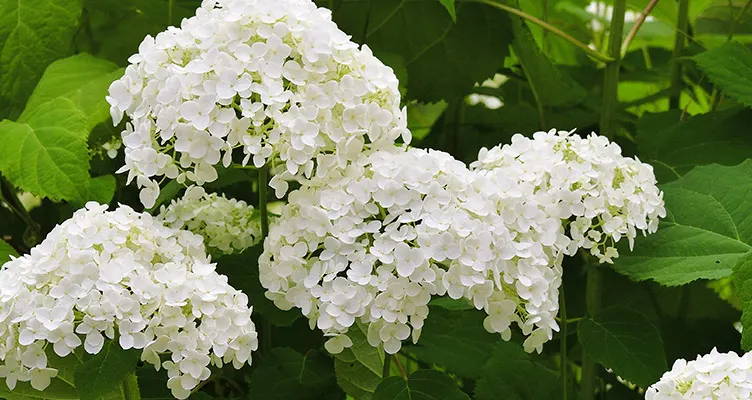
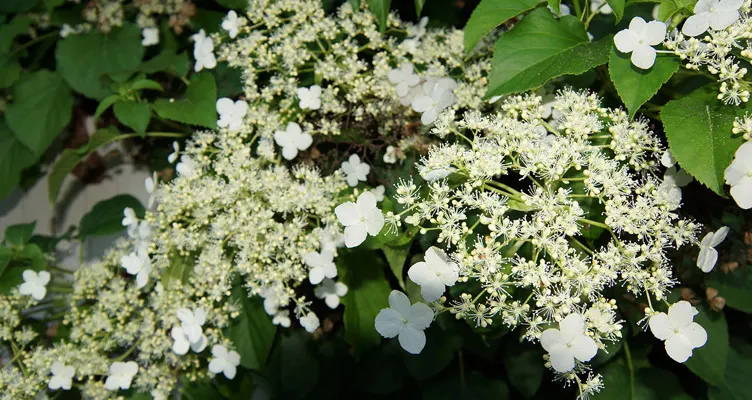
Ornamental shrubs is a term used for plants that are specifically grown for decorative purposes in gardens either for a particular garden them display or for cut flowers. Ornamental shrubs are commonly grown for their scent, foliage, fruit and flowers; all aesthetically pleasing features. A more unusual shrub is sometimes grown as a feature of interest, such as Cacti.

Long-stemmed ornamental shrubs (also known as ‘standards’) make great garden features, whether placed in a large pot on the patio, or in a border. You can even accentuate your garden path by planting several in a row along the edge. Plus you can add more contrast by planting low growing ground cover plants beneath them. Their beautiful shapes bring structure and variety into your garden all year round.

Latest articles

View all articles
Pruning smooth hydrangea

Pruning smooth hydrangea

Hydrangea arborescens Smooth hydrangea (hydrangea arborescens) flowers on this year’s wood. The buds grow again every spring so you need to prune a hydrangea arborescens (the smooth hyd...

Pruning climbing hydrangea

Pruning climbing hydrangea

Hydrangea anomala A climbing hydrangea (hydrangea anomala) flowers on old wood. That is to say, flowers will only grow on branches formed in the previous year. This means that if you ...

How and when to prune the Japanese maple?

How and when to prune the Japanese maple?

The Japanese maple (Acer palmatum) is the smaller version of maple (Acer). Its small size makes it a popular plant for the garden. It even fits in a nice pot in the garden or o...

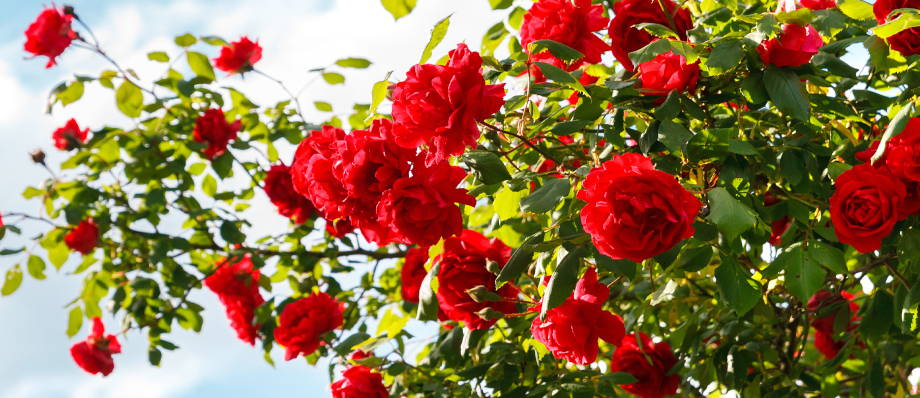
Pruning roses: How and when?

Pruning roses: How and when?

There are many types of roses, all of which need to be pruned in different ways and at different times. In this blog, we explain exactly how and when to prune each rose.   The c...

Pruning fruit trees: when and how?

Pruning fruit trees: when and how?

Fruit trees in the garden? Then you have to prune it every year to enjoy a good harvest. Indispensable pruning tools Secateurs. As fruit trees are prone to diseas...

Pruning Hydrangea

Pruning Hydrangea

Pruning hydrangea encourages flowering and helps to keep the shrub looking healthy. Only prune after all chance of frost has passed. There are of course various types of hydrangea...

Pruning the Common Hydrangea

Pruning the Common Hydrangea

The hydrangea, who doesn't have this plant in the garden or on the patio or balcony? The hydrangea is a popular shrub because of the beautiful and large flowers that you can enj...

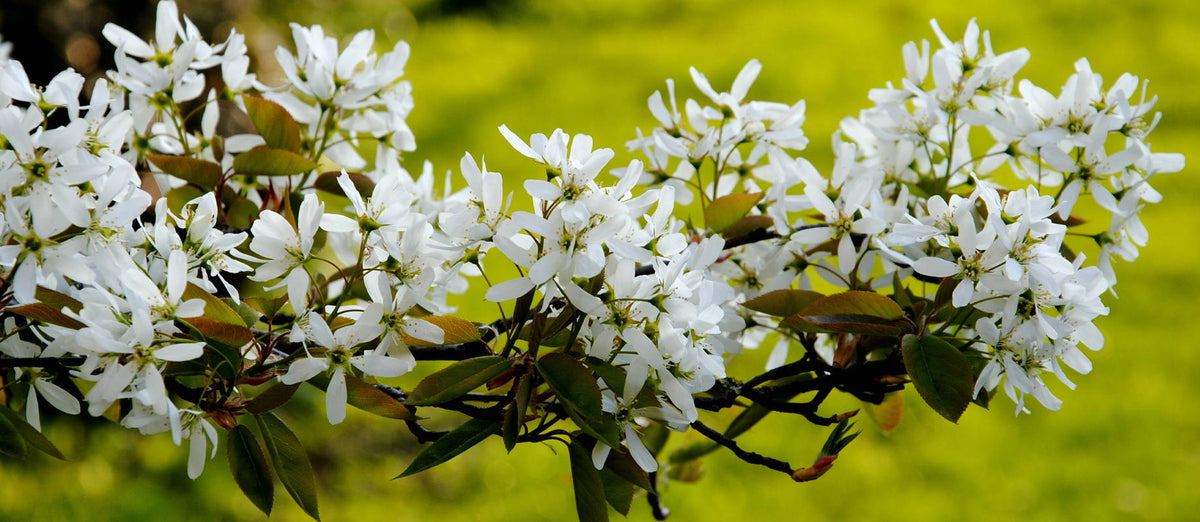
Pruning Amelanchier

Pruning Amelanchier

The little Amelanchier provides colourful enjoyment the whole year round. Amelanchier come in the form of either a shrub or a small tree. It has a wonderful natural shape and it contin...

View all articles