There are several different snowball varieties. The Latin name of this magnificent genus is Viburnum. Some examples of this fabulous plant are listed below:
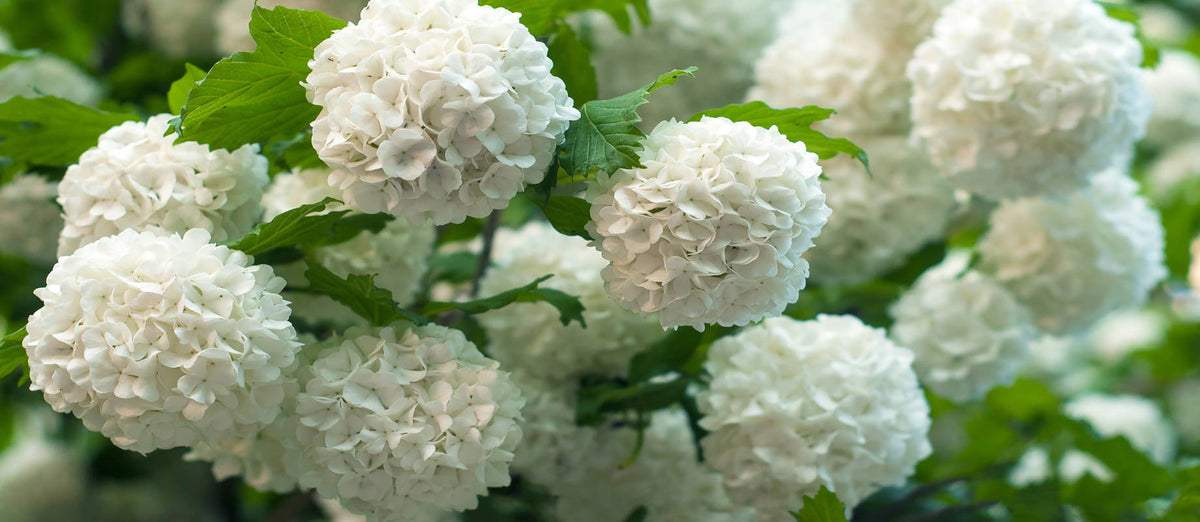
Pruning the snowball (Viburnum)
Latin name:
- Viburnum x bodnantense
- Viburnum x carlcephalum
- Viburnum carlesi
- Viburnum plicatum
- Viburnum opulus*
English name:
- Winter snowball
- Fragrant snowball
- Korean spice viburnum
- Japanese snowball
- Guelder rose
* Viburnum opulus is called Guelder Rose rather than Snowball, but it does belong to the same family, which is why it is included here.
Pruning in March
The winter snowball and the Guelder rose differ from other Viburnum varieties. If you want to trim the winter snowball into shape, the best time to do this is in March, after flowering.
The rejuvenation of the Guelder rose should also preferably be done in March, using the same technique as described below for the other snowball varieties.
Rejuvenation pruning in May
After flowering in May, the two snowball varieties Viburnum x carlcephalum and Viburnum carlesi can be given a rejuvenation pruning.
With rejuvenation pruning, the old bush is replaced completely over a period of three to five years. This must be done methodically. You should determine in advance which branches are to be removed in which year. It is important to start pruning from the heart of the plant rather than removing the outermost branches first. Select branches divided evenly over the entire plant and cut these down to a height of about 30-40 cm, preferably just above an outward facing bud. If you want to rejuvenate the snowball over a period of three years, select one third of the branches for removal in the first year. In the second year, remove half of the branches remaining from the previous year, again pruning the innermost branches first. The remaining original branches, the outermost branches, can then be removed in the third year.
Pruning in June or July
As the Japanese snowball flowers later in the year, it must be pruned at a later stage. If you want to rejuvenate your Japanese snowball, this can be done in exactly the same way as described above for the other snowballs.
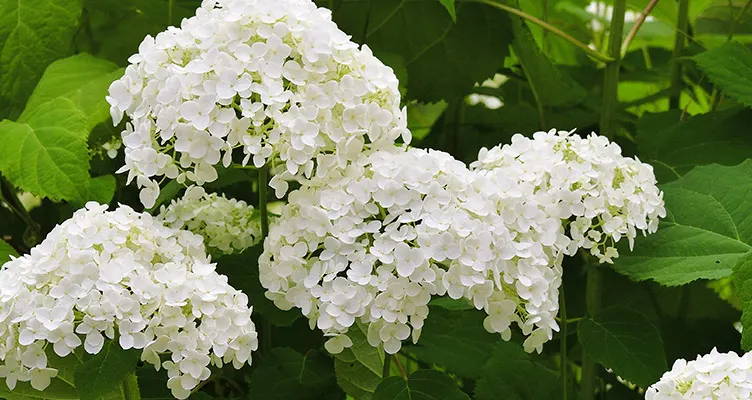
Pruning smooth hydrangea
Hydrangea arborescens Smooth hydrangea (hydrangea arborescens) flowers on this year’s wood. The buds grow again every spring so you need to prune a hydrangea arborescens (the smooth hyd...
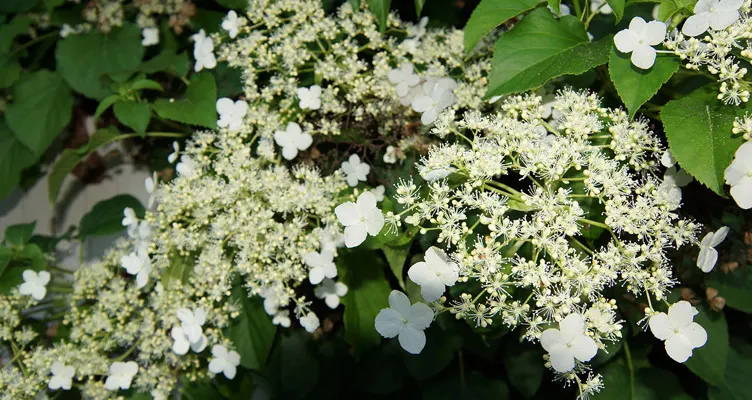
Pruning climbing hydrangea
Hydrangea anomala A climbing hydrangea (hydrangea anomala) flowers on old wood. That is to say, flowers will only grow on branches formed in the previous year. This means that if you ...

How and when to prune the Japanese maple?
The Japanese maple (Acer palmatum) is the smaller version of maple (Acer). Its small size makes it a popular plant for the garden. It even fits in a nice pot in the garden or o...
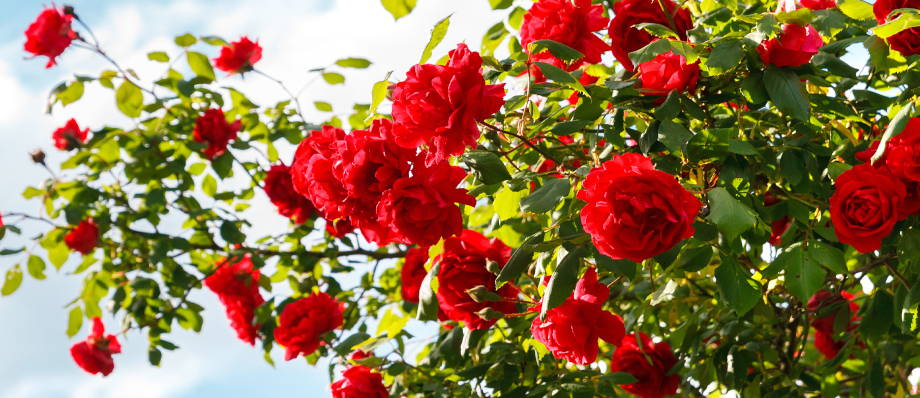
Pruning roses: How and when?
There are many types of roses, all of which need to be pruned in different ways and at different times. In this blog, we explain exactly how and when to prune each rose. The c...

Pruning fruit trees: when and how?
Fruit trees in the garden? Then you have to prune it every year to enjoy a good harvest. Indispensable pruning tools Secateurs. As fruit trees are prone to diseas...
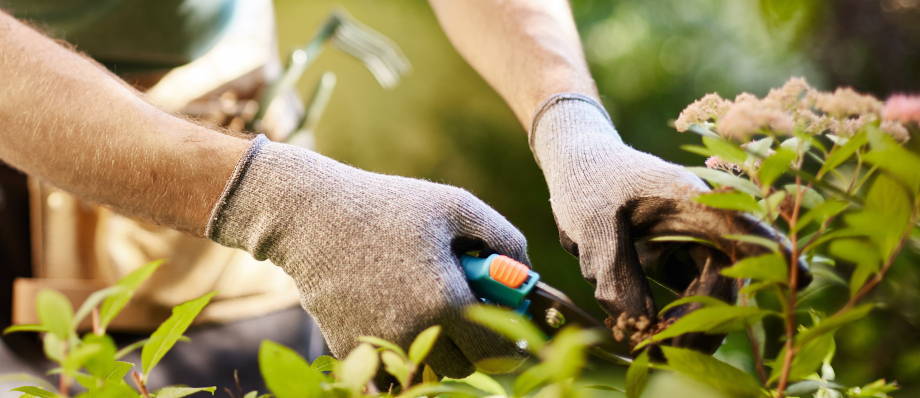
Pruning trees and shrubs
Trees S...
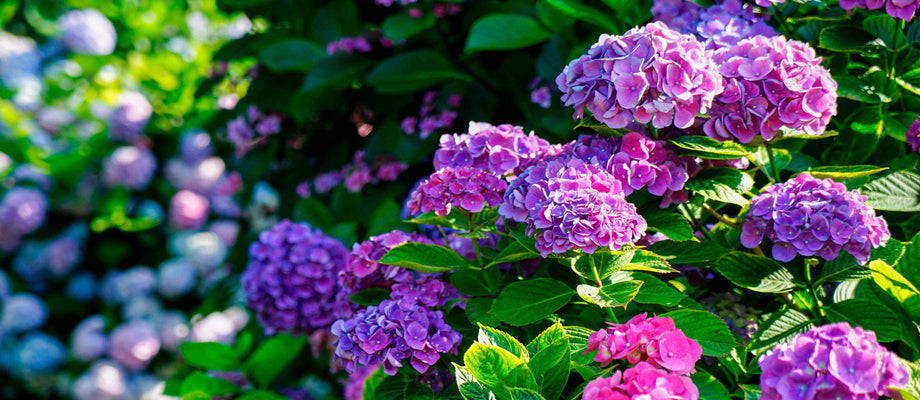
Pruning Hydrangea
Pruning hydrangea encourages flowering and helps to keep the shrub looking healthy. Only prune after all chance of frost has passed. There are of course various types of hydrangea...
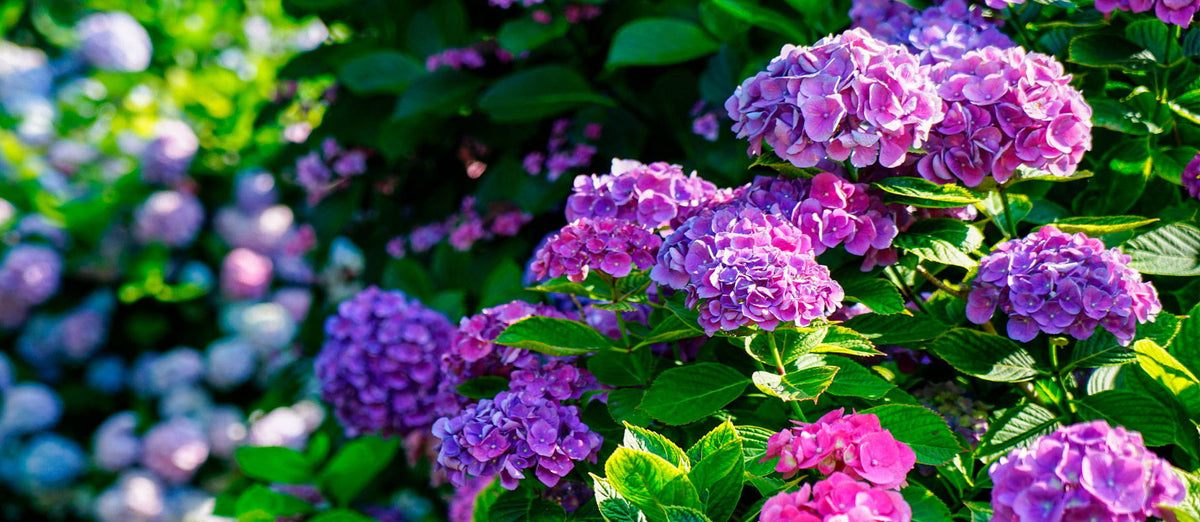
Pruning the Common Hydrangea
The hydrangea, who doesn't have this plant in the garden or on the patio or balcony? The hydrangea is a popular shrub because of the beautiful and large flowers that you can enj...