Are you always looking for ways to give nature a helping hand? Then organically grown plants and flowers will be perfect for you. What are the advantages of these organic plants and flower bulbs? How can you recognise them? Read all about it here.
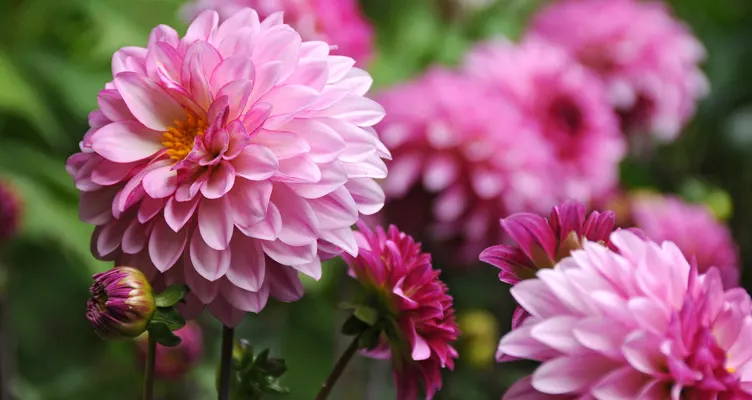
Organic plants and flower bulbs
Doesn't green always mean grown organically? Plants are always good for nature, aren't they? However, there is a distinction in how they are grown. Pesticides and fertilisers should not be used when growing organic plants. Instead of using those agents, pests and diseases are controlled with organic fertilisers and insects. Weeding is done by hand or with special machines so that the plants are not damaged. In this way, the soil remains clean from chemical agents, which is better for the soil and biodiversity.
How can you recognise organically grown plants and bulbs?
In Europe, the word 'organic' is protected by law. This means that not every grower or supplier is allowed say that their plants or bulbs are organically grown. In every country, independent organisations are responsible for the certification of organic products. All growers who want their products to be certified as organic must fulfil the strict requirements of these organisations. In addition, retailers and webshops must also apply for certification to trade organic products. If this certification is given, the grower or retailer may use the European quality mark for organic products. You can find this above.
Bakker.com has recently been registered with SKAL as an organic webshop. SKAL is responsible for 'organic certification' in the Netherlands. In our product range you will find organic flower bulbs, organic fruit and herbs, organic garden plants and organic house plants. Make sure you look out for the European certification label.
Organically grown fruit and herbs
Organic herbs and fruit are not only very tasty; they are also healthy for you. This is because you do not ingest any pesticides when you eat these herbs and fruit. Also, more nutrients remain in the herbs and fruits, because no pesticides are used in growing these plants. A disadvantage of organic cultivation is that it takes a little longer. However, the taste does develop better. Try it for yourself! Take a quick look at our organic fruit shrubs, fruit trees and herbs.

Top 10 fast-growing garden plants
Your garden is a wonderful place for you to relax. Once you've created it, you'll want to enjoy all its cheerful colours as quickly as possible, so that you can spend the whole summer e...

The English Cottage Garden
A garden with allure Cosy seating areas, scintillating views and lush flower beds full of bright and colourful roses, and lots of classics: that’s the ‘English Garden’! If you enjoy th...

The Japanese Garden
A garden full of symbolism, mystery and peace, lots and lots of peace and quiet... The Japanese garden is somewhat different to the traditional Dutch, English or French garden. A real ...

On holiday in your very own tropical Balinese garden
Who needs to holiday in Bali? With a Balinese garden you can enjoy that holiday vibe every day. This tropical garden has it all — a sunny, energetic atmosphere combined with a calming,...

Everything you need to know about fertilising your garden
If you want your garden plants and trees to grow strong and thrive, it is important to fertilise them regularly. Not only will fertilising your plants and flowers help them grow more st...

Do your bit for a greener planet
Do you want to do your bit for mother earth? Do you think that it's important to help make nature greener? You can start by filling your own garden with mo...

The 7 most popular climbing plants
Climbing plants are much more versatile than many people think. Not only are they a way to add colour to a bare fence, wall or pergola, climbing plants can really create an atmo...

Beautiful plants for your balcony
Are you looking for some lovely plants to go on your balcony or patio? With the right patio and balcony plants, you can enjoy a cosy, green space all year round. A little short ...