Skip to content
Basket

Your basket is empty

Explorer nos produits
Added to basket!
Subtotal
0 products
£0.00

Promo 1

Describe what your customers will receive when subscribing to your newsletter.

By entering your address, you confirm that you have read our privacy policy.

Pruning roses: How and when?

Pruning roses: How and when?

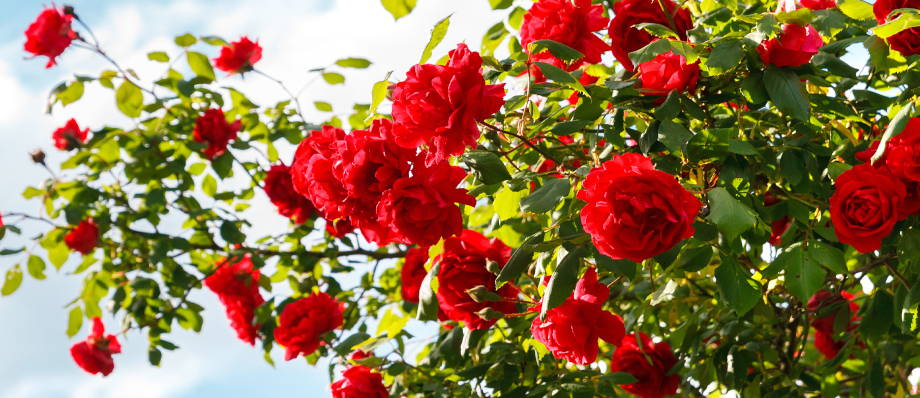
There are many types of roses, all of which need to be pruned in different ways and at different times. In this blog, we explain exactly how and when to prune each rose.  

The calendar below shows you exactly when you need to prune your rose. You can even download the pruning calendar, which makes things even easier!  

Large-flowered roses and spray roses 

  • Pruning in February and March 
    Large-flowered roses and spray roses can be pruned as early as February or March. To prevent frost damage, we recommend that you only prune if there is not a hard frost. Cut back any frost-damaged branches of large-flowered roses. Remove the dead wood, too. 
    We recommend that you do not allow the bushes to produce more than five main branches. Prune off branches at different heights until you have removed any excess branches. Prune thicker branches down to seven buds, thinner ones down to five. The highest bud should preferably point outwards. This prevents a branch from later growing inwards. Cut the roses with sharp secateurs just above the bud. 
  • Pruning in the summer 
    In summer, we prune the rose flowers. By this we mean cutting away flowers that have finished blooming. The more you cut, the more the rose will continue to bloom. Cutting away spent flowers prevents the rose 'wasting' its energy on producing seeds (forming rose hips).  
  • Pruning in October and November 
    In autumn, after the roses have finished blooming, you might want to prune the plant into shape in order to 'tidy it up' for winter. That's no problem. Just remember not to cut the roses too short. Otherwise, they might freeze a bit in winter. 

Climbing roses 

  • Pruning from February to March 
    You don't need to prune climbing roses for the first few years after planting them. After that, you can start pruning. If you do not prune your climbing rose at all, after a few years the greenery and flowers will grow higher and higher. The lower part of the climbing rose will begin to look rather bare. To prevent this, every year you can cut back some of the main branches to 3 buds and to around 30–40 cm above the ground. Make sure that the branches that you prune back are evenly spread across the plant; the climbing rose will grow again from these branches. Cut back around a third of the rose.  

 
Drastically cut back the offshoots of the main branches that flowered the previous year until these offshoots are only 2 to 3 cm long. Do not cut back young wood as that is where most flowers will soon appear.  

Always prune off dead branches. 

Ground-covering roses 

  • Pruning in March 
    In the case of ground-covering roses, you can prune away the dead wood in March along with the branches damaged by frost. Otherwise, this type of rose does not need to be pruned. If you would like to cut back your ground-covering roses—because they're getting a bit wild, say - apply the pruning technique for large-flowered roses or spray roses.  

Standard roses 

  • Pruning from February to March
    If you want to prune back a standard rose, it's best to prune until you have five main branches left. Prune thicker branches down to seven buds, other ones down to five. The last bud ought to face towards the outside of the rose bush.  

Remember also to prune away the dead wood and the branches damaged by frost. 

Pruning away wild branches 

Many of today's roses are grafted. This means that a refined (cultivated) rose with good traits has been grown on wild root stock. This is done because the cultivated rose is less susceptible to disease and the wild root stock has a lot of growing power. This gives the rose a great boost. A grafted rose is stronger and hardier in winter. 

Grafted roses have a grafting point. This is the thicker part that the branches stem from. This is where the cultivated rose has been grown on the wild root stock.  

Sometimes, one or more branches may grow on the part below the grafting point (i.e. on the 'wild' root stock). These are referred to as 'wild' branches. There is not much chance that pretty flowers will grow here, so these branches can be pruned away. Cut off the 'wild' wood as closely to the root stock as possible. You can prune off the 'wild' branches whenever you like.  

Don't forget to download the rose pruning calendar. 
Latest articles

View all articles
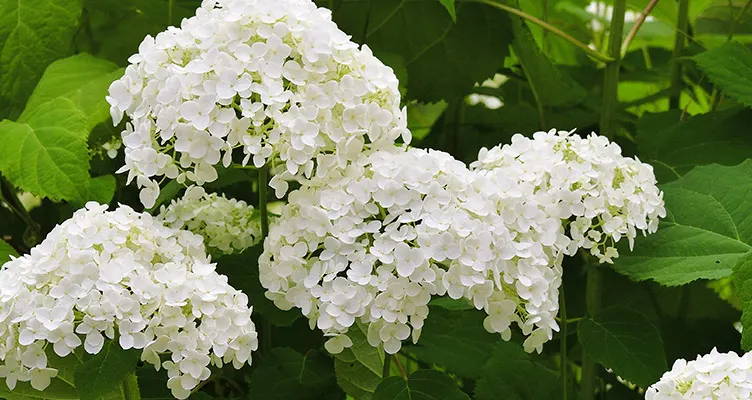
Pruning smooth hydrangea

Pruning smooth hydrangea

Hydrangea arborescens Smooth hydrangea (hydrangea arborescens) flowers on this year’s wood. The buds grow again every spring so you need to prune a hydrangea arborescens (the smooth hyd...

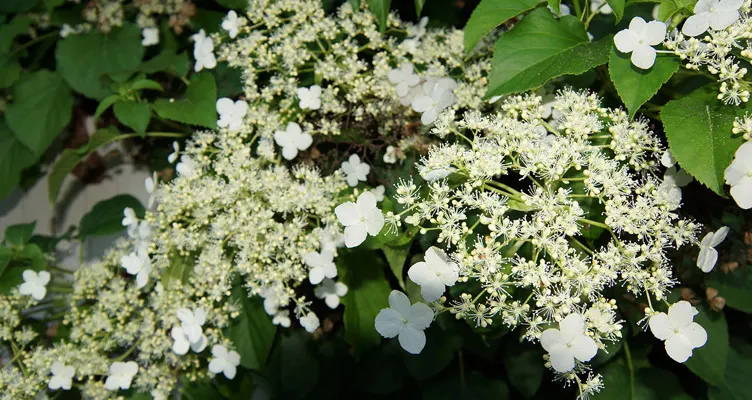
Pruning climbing hydrangea

Pruning climbing hydrangea

Hydrangea anomala A climbing hydrangea (hydrangea anomala) flowers on old wood. That is to say, flowers will only grow on branches formed in the previous year. This means that if you ...

How and when to prune the Japanese maple?

How and when to prune the Japanese maple?

The Japanese maple (Acer palmatum) is the smaller version of maple (Acer). Its small size makes it a popular plant for the garden. It even fits in a nice pot in the garden or o...

Pruning fruit trees: when and how?

Pruning fruit trees: when and how?

Fruit trees in the garden? Then you have to prune it every year to enjoy a good harvest. Indispensable pruning tools Secateurs. As fruit trees are prone to diseas...

Pruning trees and shrubs

Pruning trees and shrubs

Trees S...

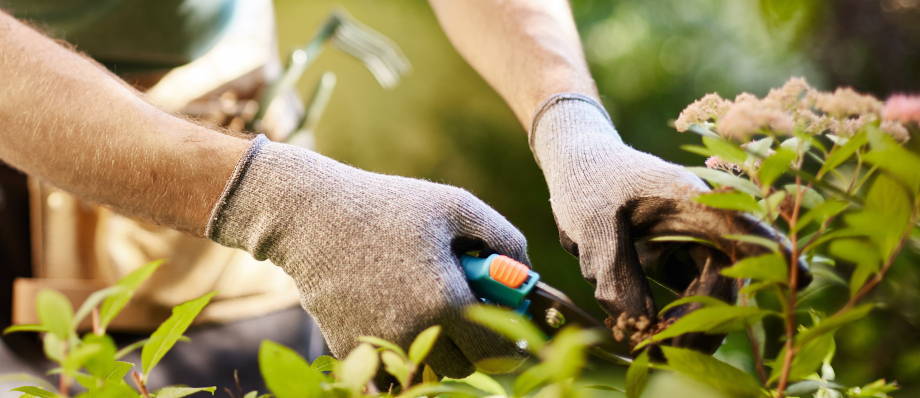
Pruning Hydrangea

Pruning Hydrangea

Pruning hydrangea encourages flowering and helps to keep the shrub looking healthy. Only prune after all chance of frost has passed. There are of course various types of hydrangea...

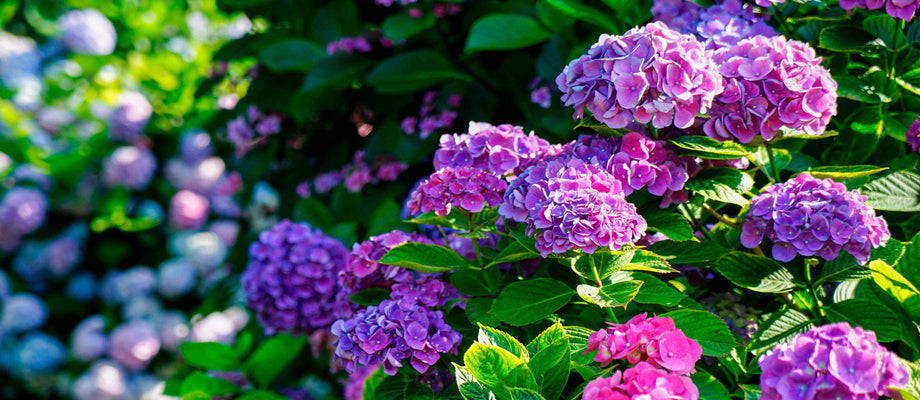
Pruning the Common Hydrangea

Pruning the Common Hydrangea

The hydrangea, who doesn't have this plant in the garden or on the patio or balcony? The hydrangea is a popular shrub because of the beautiful and large flowers that you can enj...

Pruning Amelanchier

Pruning Amelanchier

The little Amelanchier provides colourful enjoyment the whole year round. Amelanchier come in the form of either a shrub or a small tree. It has a wonderful natural shape and it contin...

View all articles